By Michael A. Moses, Guest Blogger
Mike Moses lives in Chicago, and shares with us the journey of discovery he undertook in learning about his father, the distinguished art historian Paul B. Moses, who grew up in Ardmore. This blog was published on his father’s birthday, December 9.
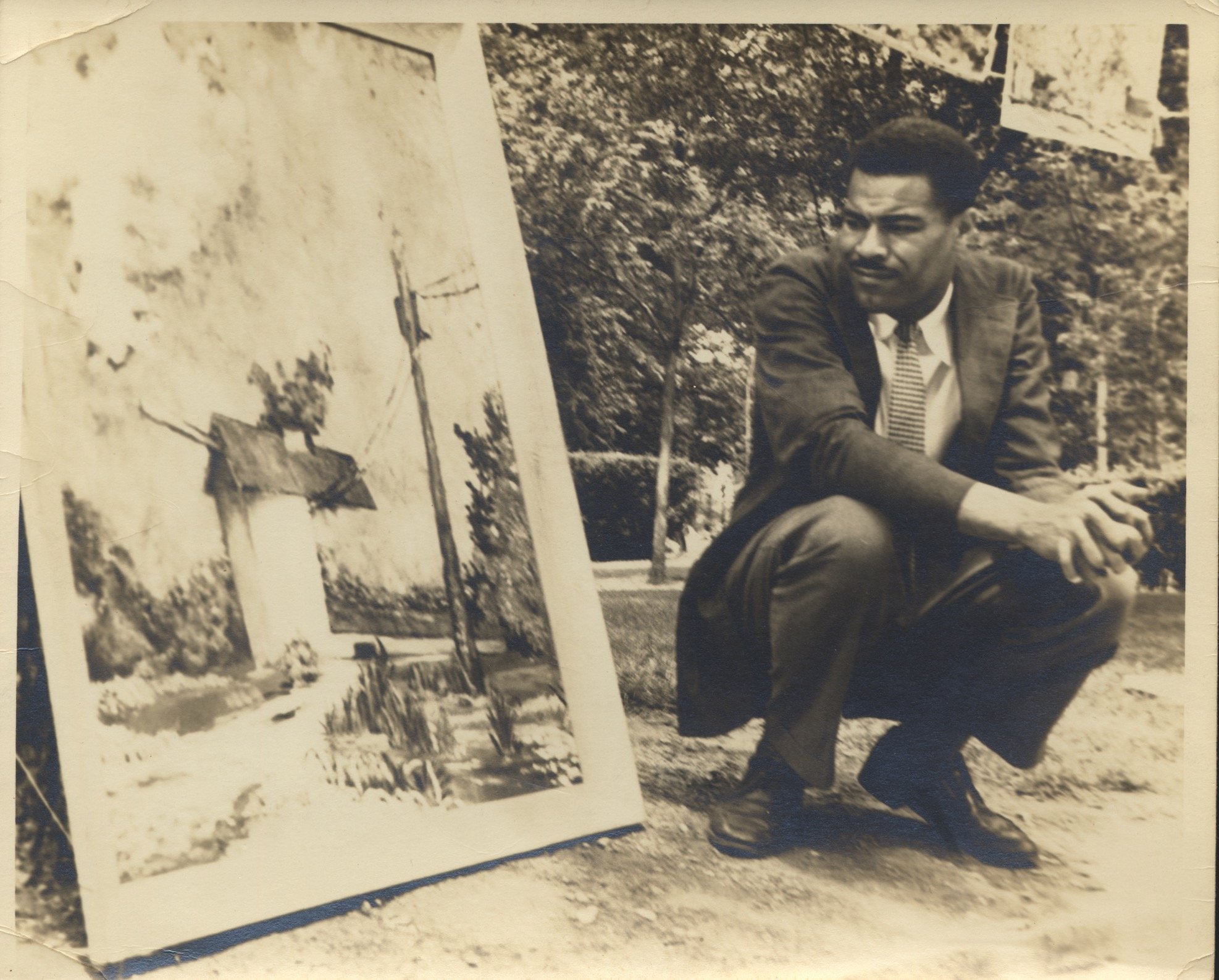
In late 2012, the task of purging boxes labeled PBM in a storage locker in my basement started to become of greater interest. The five or so boxes had been moved to two different addresses in the Hyde Park/Kenwood neighborhoods in Chicago and never opened. I was just three when my father was shot to death on March 25, 1966, coincidentally my mother’s birthday. I felt it would be difficult to ask her about him because it might bring back old wounds. In April of 1994, my mother passed away from a yearlong battle with pancreatic cancer. At that point, I knew it would be up to me to find out who my father was from family, friends, and former colleagues. And there were those boxes labeled PBM, what exactly was in them?
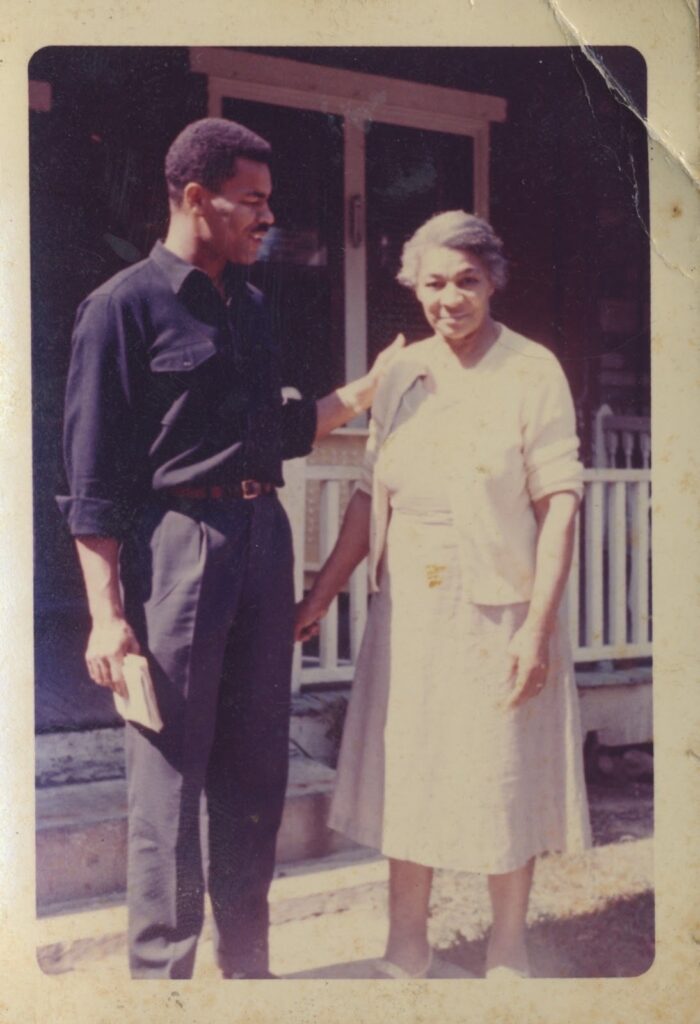
A small flood after the second move put the contents of the boxes in jeopardy. When I moved the boxes to a dry area, my curiosity was piqued to see what was in them. I discovered that my mother saved every single thing my father did, both personally and professionally. I found research papers, personal letters, newspaper articles, art books, photographs, and hundreds of letters and cards of condolence. I always cherished his paintings, some of which I had on the walls of my condo. The paintings could only tell the story of artistic characteristics of French Impressionism which he loved. However, the unboxing of the treasure trove of items would give a more detailed story about my father. I firmly believe my mother saved his life in those boxes to keep his memory close at hand and for me to one day meet the father I never knew.
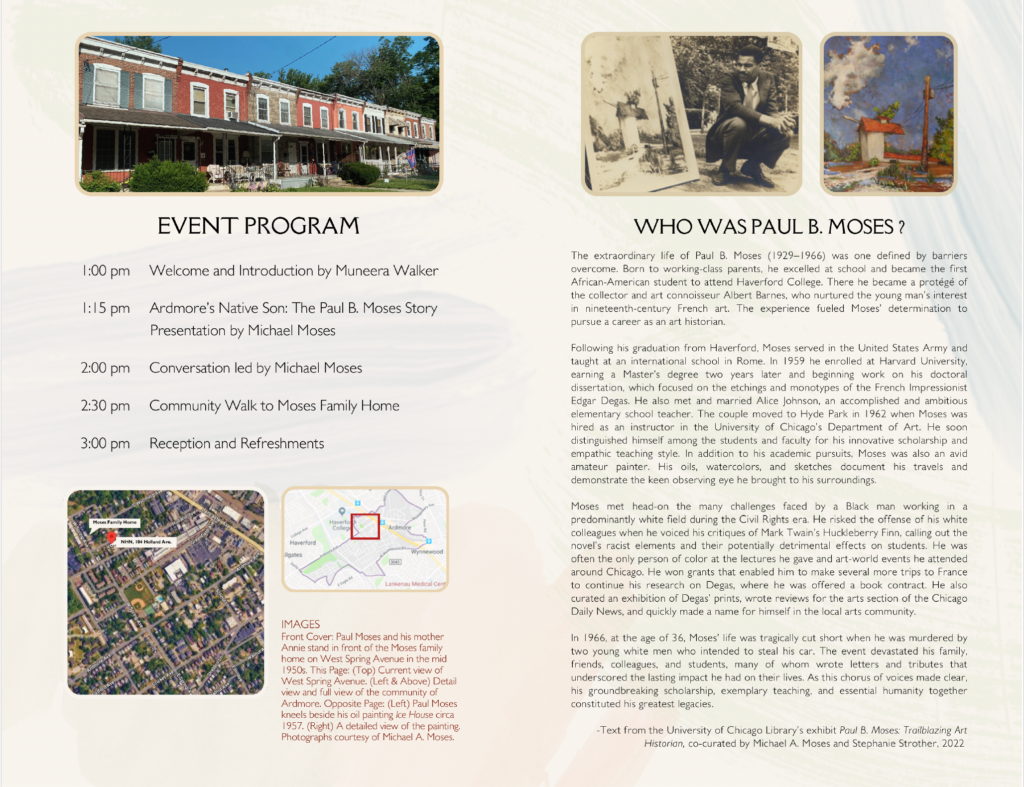
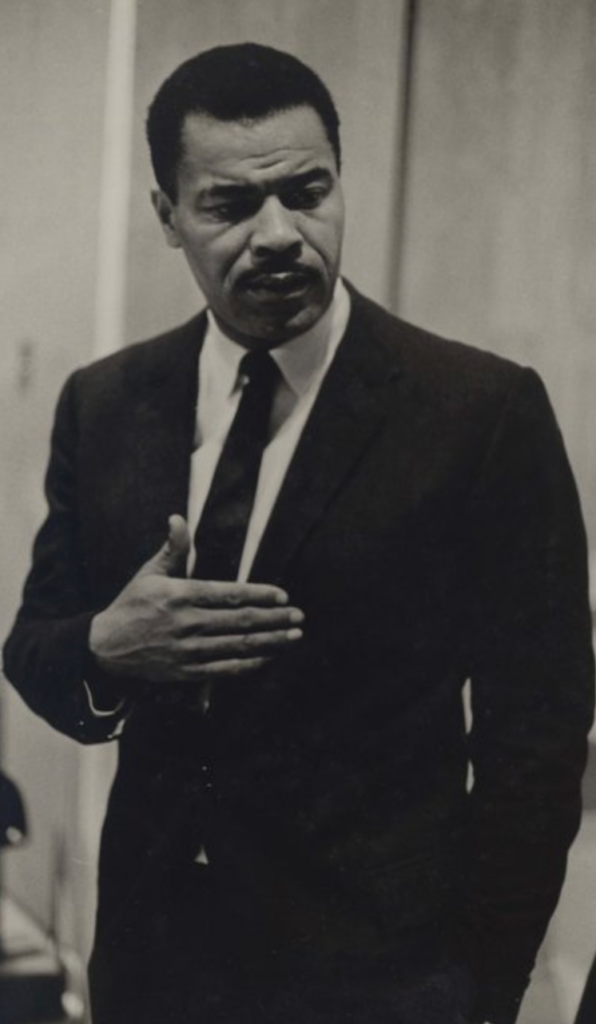
In 2013, I began to think of the importance of his short life and career. He was the first Black American student at Haverford College, majoring in the Romance Languages. He had a close relationship with philanthropist and fine arts collector Dr. Albert Barnes. He spent two years in the army as a French interpreter, taught overseas, received a Masters in Art History at Harvard, and then took a job as an associate professor in art history and humanities at the University of Chicago. While at the university, he began his dissertation with the emphasis on researching Edgar Degas monotypes. During this study, he was asked to give lectures and even fill in as the art critic for the then Chicago Daily News. My father gave an exhibit of the largest collection of Degas monotype photos ever in the U.S. at the Renaissance Society on campus. His last achievement before his untimely death was being awarded the opportunity to publish a comprehensive book on the works of Degas. This phenomenal short lived journey gave me the inspiration to share this story of such a remarkable man.
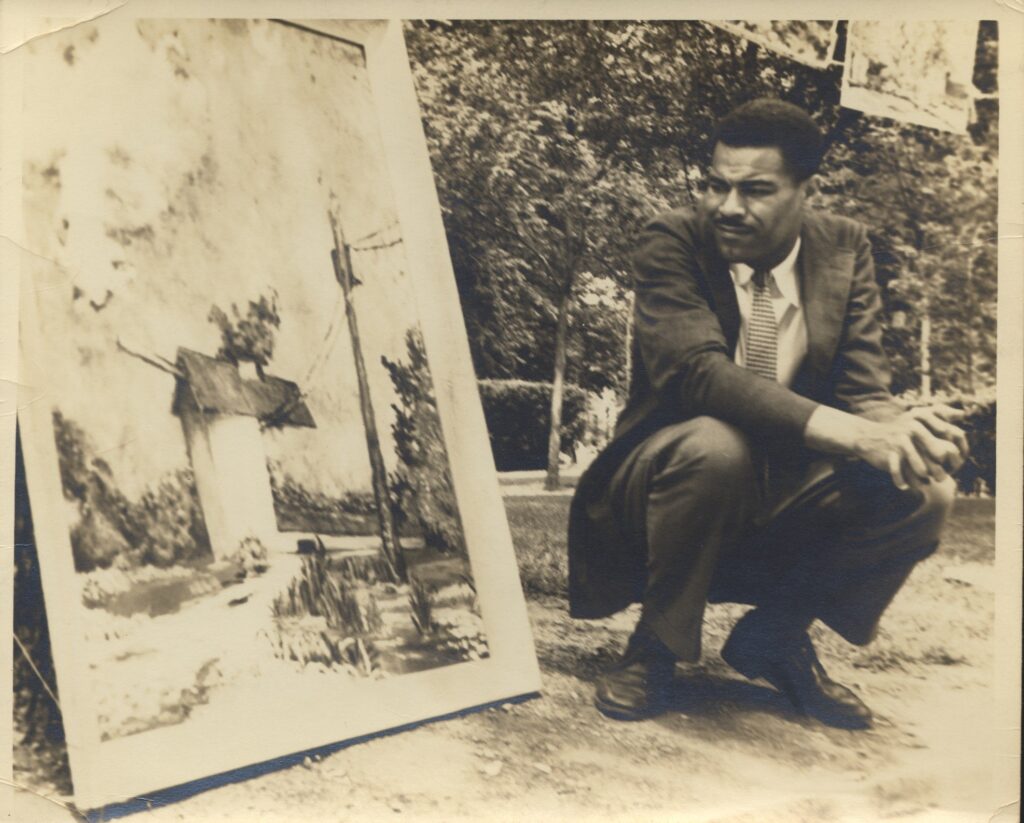
A couple of years go by and my thoughts turn to the best way to share his story. I came to the conclusion with the advice of family and friends that having an exhibit would show all aspects of his life. In 2015, I put together biographical information, took photos of all his paintings, went to Special Collections at the Haverford Library, and contacted The Barnes Foundation to check what they might have in their archives. My thinking was to collect as much information to pique the interest of an art museum. Little did I know, this rogue method wasn’t the proper way to present my idea. Hence, I was patient and reorganized all of my findings and considered next steps.
Fast forward, it’s now 2019 and I need to reinvigorate my determination to accomplish my goal. I continued my research by going to Special Collections at The University of Chicago Regenstein Library. To my surprise, there were close to ninety documents about his time as a professor. His story now grew exponentially with all this new information. The next break came one morning in a grassy lot at the corner of 59th and Harper. This lot had become a dog play area just yards from my condo. That morning, I struck up a conversation with a young lady who happened to be studying for her Ph.D in Art History at the University of Chicago. The bells and whistles rang out as I thought this could be a big opportunity. As her dog Jasper and my dog Riley played, I gave Stephanie background information about my father and showed her photos of his art work. We spoke further on subsequent dog playdates. Stephanie really liked the idea of an exhibit and agreed to help me. The pandemic hit and we took a pause like the rest of the world. As the pandemic wore down, we trusted each other’s health as we did the research. She recommended we get a proposal form to have the exhibit at the Hanna Holborn Gray Gallery at Regenstein Library. We carefully discussed each request on the proposal. In late March of 2021 we submitted the proposal. Within a week’s time the proposal was approved and now we were off and running. My categories for the items were yes and maybe and her’s were yes, maybe, and I don’t think so. This began a sixteen month process before the exhibit opened in the Fall of 2022. Stephanie’s expertise and guidance was invaluable. She was the perfect co-curator and my father now had a daughter as well as a son!
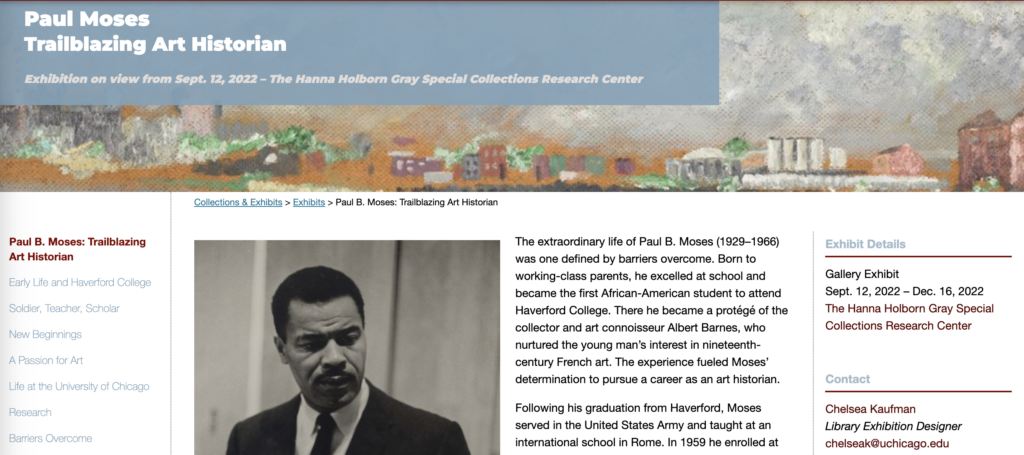
curated by Michael A. Moses and Stephanie Strother
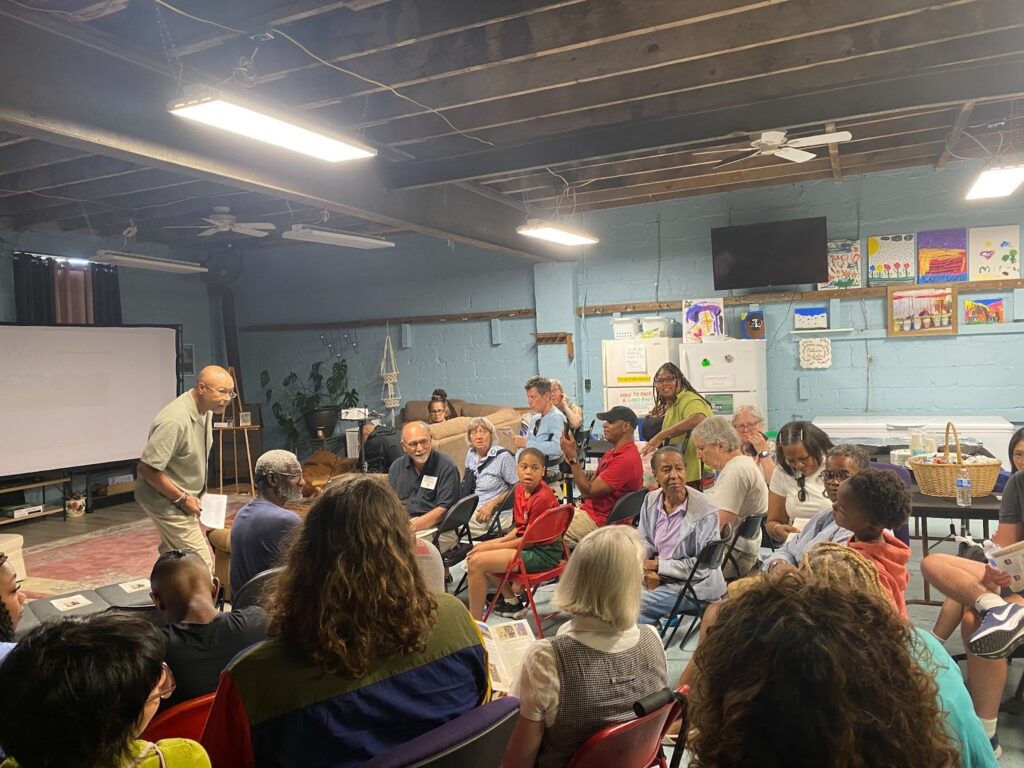
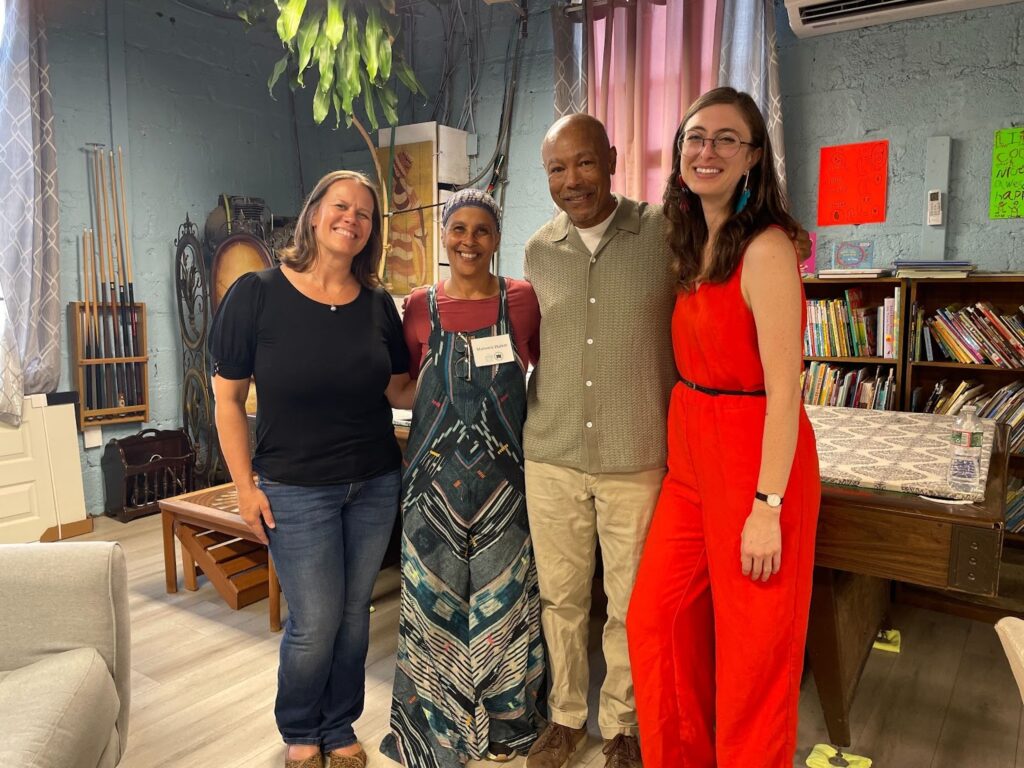
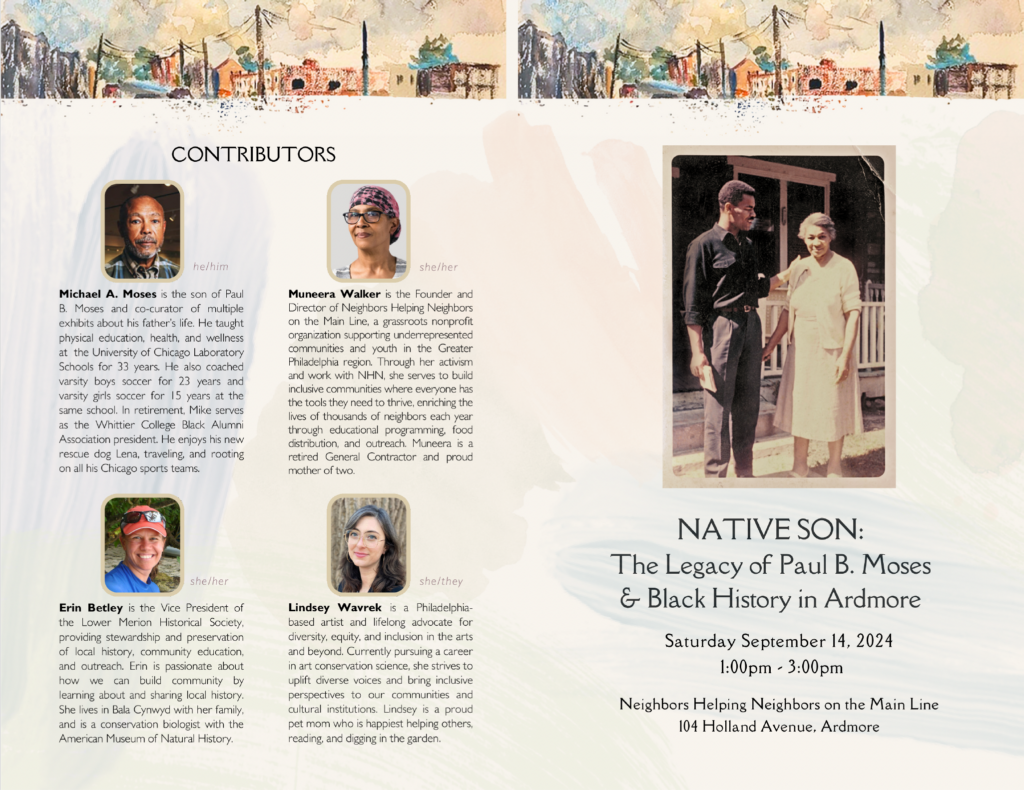
A year later, the next home for the exhibit was Haverford College. A smaller instillation called “Education and Empowerment” at The Barnes Foundation began that summer and showcased scholars in different fields which Dr. Barnes personally helped financially to pursue their studies. My father grew up in Ardmore, PA and it was suggested by Sarah Horowitz, Special Collections and Curator at Haverford College, that I speak with the Lower Merion Historical Society. She felt they would be interested in my father’s story. After a conversation with Erin Betley, Vice President of the Lower Merion Historical Society, we concluded that some sort of presentation would be of interest to the community. The presentation was hosted by Neighbors Helping Neighbors on the Main Line. Founder and Director Muneera Walker spearheads this grassroots nonprofit organization. The presentation took place in September 2024 and was called, “Native Son: The Legacy of Paul B. Moses & Black History in Ardmore”. The program had audio and video assistance from Lindsey Wavrek who is a lifelong advocate for diversity, equity, and inclusion in the arts and beyond in the Philadelphia area. She is currently pursuing a career in art conservation at Winterthur Museum Garden and Library in Winterthur, Delaware.
The story of Paul B. Moses hasn’t ended at Neighbors Helping Neighbors. It will continue as new ideas and opportunities arise. “The Back Story” is now considered “The Forward Story”. PBM was a husband, a father, and a trailblazing art historian and a man whose legacy will not be forgotten.